Touch Sequence Pathways Linking Transaction Methods to Cumulative Advantage Levels in Portable Gaming Systems
Written by Vera Flores · Nov 12, 2026
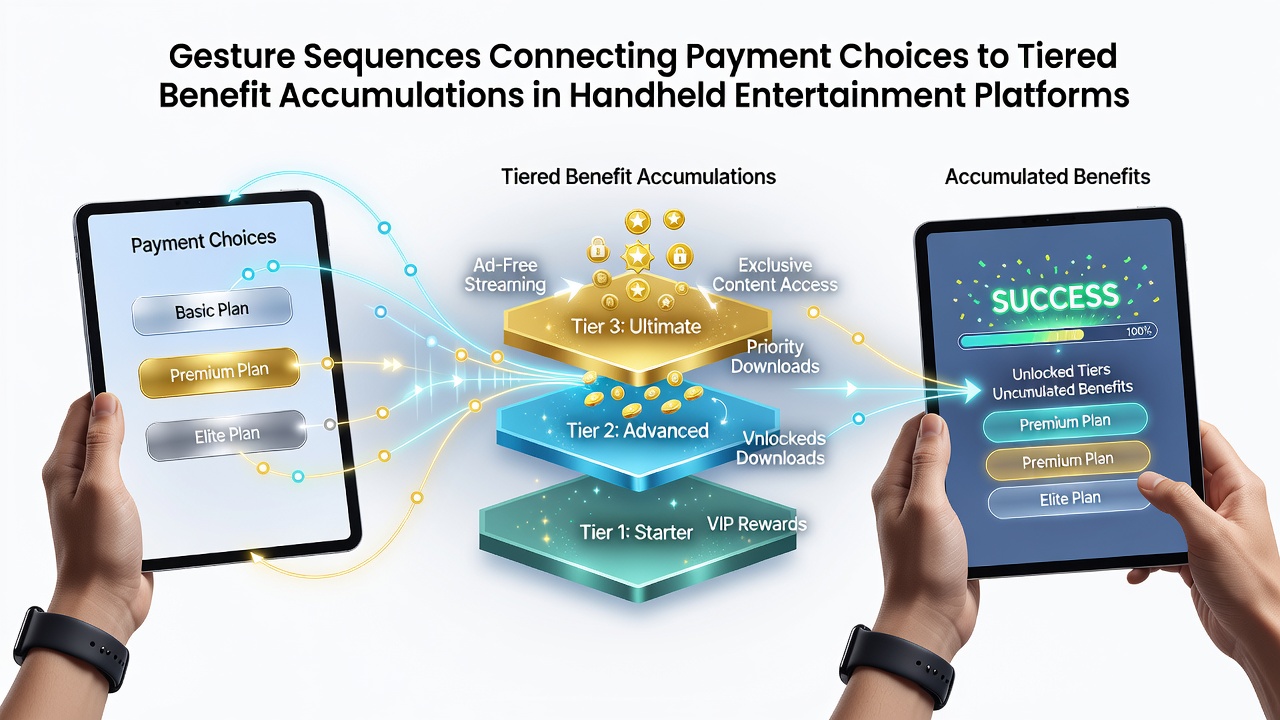
Touch Sequence Pathways Linking Transaction Methods to Cumulative Advantage Levels in Portable Gaming Systems
Handheld entertainment platforms utilize precise touch sequences to connect payment selections with tiered benefit structures, and these interactions form the core of many mobile gaming applications where users navigate deposit options through swipes, taps, and holds that trigger immediate system responses. Developers design these sequences so that a single gesture initiates a transaction while simultaneously logging the action toward progressive reward tiers, and observers note that this integration streamlines user flow without requiring separate menu navigation. Data from industry reports show that platforms record each gesture type to build user profiles that determine eligibility for escalating benefits such as bonus multipliers or priority access features.
Core Mechanics of Gesture Integration
Applications process gesture inputs through layered software protocols that distinguish between payment confirmation taps and navigation swipes, and this distinction allows the system to route funds while advancing tier accumulation in parallel. Researchers at various institutions have documented how timing plays a role, with longer holds on certain icons unlocking higher-tier pathways that shorter taps do not access. Those who study interface design point out that platforms often embed feedback animations after each gesture completes, confirming both the payment success and the reward progression update in one visual sequence. In November 2026, updated platform analytics from multiple regions indicated a rise in gesture-based transaction volumes, particularly among users advancing through mid-level tiers.
Payment Gesture Variations Across Devices
Different operating systems handle gesture recognition with slight variations, yet the connection to tiered benefits remains consistent because developers standardize the backend logic that maps inputs to reward databases. A tap-and-drag motion might select a specific funding source while queuing the accumulation toward loyalty points, and the same action on another device could adjust the speed of benefit crediting. According to figures from the American Gaming Association, mobile platforms reported increased engagement when gesture sequences aligned closely with visible tier progress indicators. Platforms incorporate haptic responses after successful sequences, providing tactile confirmation that reinforces the link between the payment choice and the resulting status elevation.
Users encounter these sequences during initial deposits, and the system tracks cumulative gesture patterns to predict future tier movements without additional prompts. Experts have observed that combining a payment gesture with a follow-up confirmation hold can accelerate benefit layering, whereas isolated taps often register at base levels only. This differentiation encourages repeated interactions that build toward higher tiers over time.
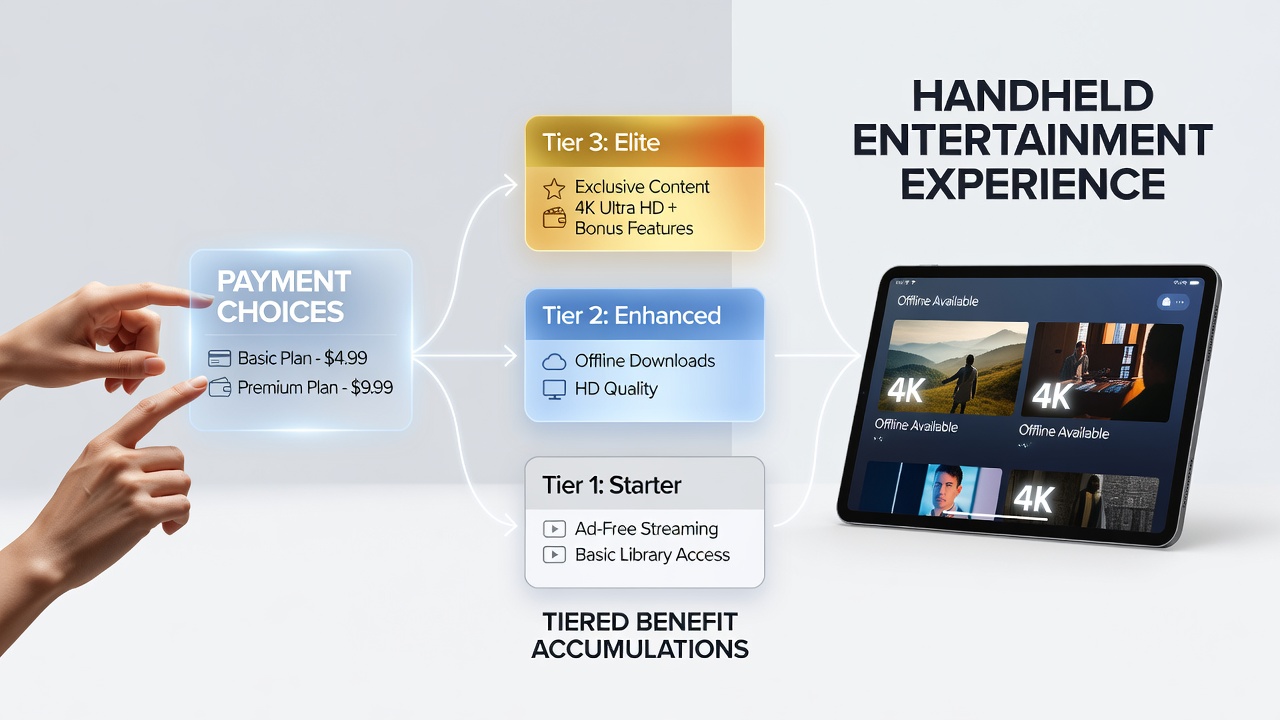
Regional Platform Adaptations and Data Trends
Platforms operating under different regulatory frameworks adjust gesture sensitivity to comply with local standards, and this adaptation affects how quickly payments translate into tier benefits. In regions monitored by the Australian Communications and Media Authority, applications emphasize clearer gesture boundaries to prevent unintended transactions while still supporting seamless reward accumulation. Data indicates that European platforms, guided by associations such as the European Gaming and Betting Association, incorporate additional verification gestures for higher-value payments that directly influence premium tier access. Those tracking user behavior note that November 2026 saw measurable shifts in gesture adoption rates across these markets as platforms refined their interfaces.
Case examples from deployed applications reveal that swipe patterns linking instant transfers to bonus pools create faster tier escalations compared with traditional button selections, and the recorded sequences allow platforms to offer personalized reward suggestions. The synchronization occurs through real-time data exchanges between the payment processor and the loyalty engine, ensuring that each completed gesture updates both the account balance and the tier status simultaneously.
Future Interface Developments
Developers continue to refine gesture libraries to support more complex sequences that connect multiple payment choices in one continuous motion, and these enhancements aim to reduce steps between funding and benefit realization. Studies from academic sources highlight how predictive algorithms analyze past gesture data to pre-load tier options, shortening the path from transaction to reward display. Observers note that such advancements maintain the factual connection between user inputs and system outputs without altering the underlying tier mechanics. As platforms evolve, the emphasis remains on consistent mapping of gestures to benefit accumulations across all supported devices.
Conclusion
Gesture sequences in handheld platforms establish direct pathways from payment selections to tiered benefit systems, and the documented interactions demonstrate reliable progression tracking across varied user behaviors. Regional data from November 2026 onward continues to reflect steady integration of these features within mobile entertainment environments.