Payment Sequence Mapping to Tiered Reward Structures in Smartphone Casino Applications
Written by Zoe Butler · Oct 1, 2026
Payment Sequence Mapping to Tiered Reward Structures in Smartphone Casino Applications
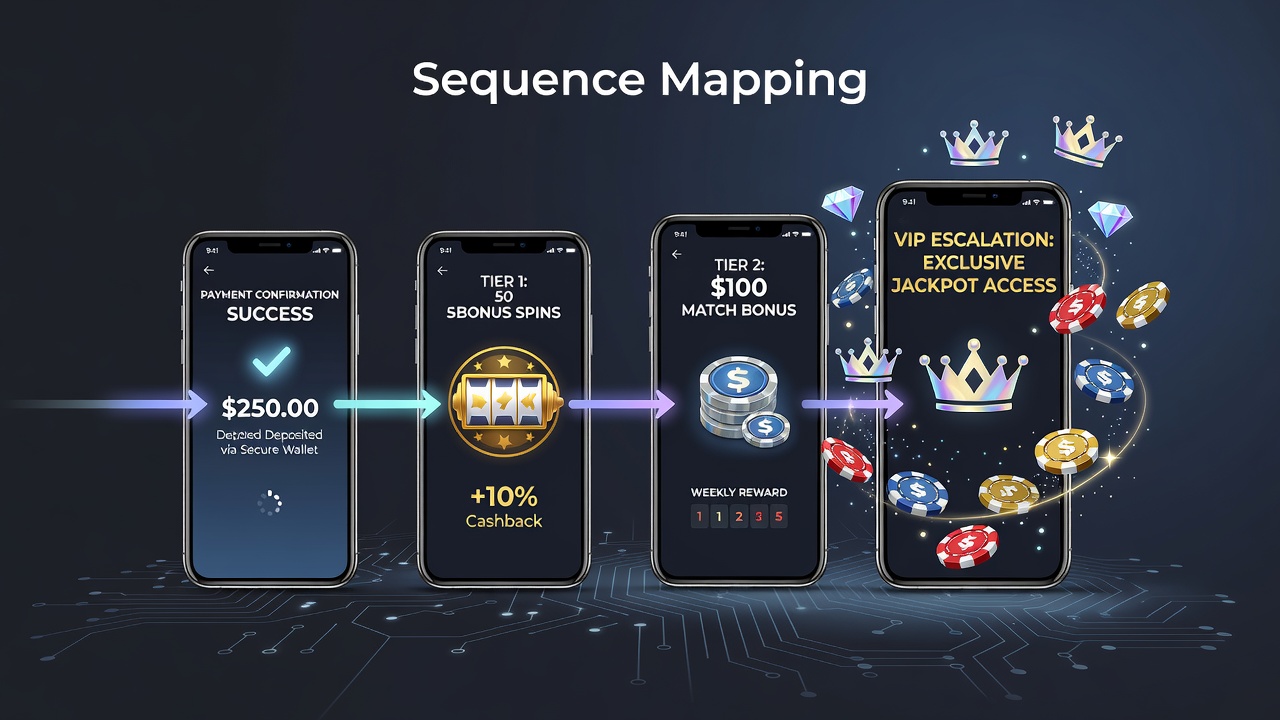
Payment confirmation sequences in smartphone casino applications follow structured digital pathways that connect transaction approvals directly to progressive reward escalations, and these flows operate through automated interface triggers that activate upon successful fund transfers. Observers note that once a deposit confirmation registers in the system, the application initiates a series of backend mappings that allocate initial bonuses, update player status metrics, and unlock subsequent privilege layers without requiring additional manual input from the user.
Initial Transaction Processing and Confirmation Triggers
Smartphone casino platforms process deposits through integrated payment gateways that verify fund availability in real time, after which the confirmation signal routes through the app's core architecture to flag the transaction as complete. Data from industry reports shows these confirmations typically occur within seconds for most major methods, and the resulting status update feeds into reward engines that calculate base multipliers based on deposit size and player history. Researchers at various gaming technology firms have documented how these early steps establish the foundation for layered escalations, because the system cross-references the new balance against predefined thresholds that determine immediate bonus eligibility.
Application developers design these mappings to prioritize speed and accuracy, so the confirmation timestamp becomes a key variable that timestamps the start of reward accumulation cycles. Studies indicate that platforms using optimized API connections between payment processors and loyalty databases achieve faster escalations, and this efficiency supports continued player engagement across multiple sessions. In October 2026, several operators reported refinements to these confirmation protocols that reduced average processing latency by measurable margins according to aggregated performance metrics.
Layer Activation and Progressive Privilege Buildups
Once the confirmation integrates into the player profile, the interface activates the first reward layer, which often includes matched deposit credits or free spin allocations that appear directly in the account dashboard. These initial benefits then serve as entry points to higher tiers when combined with continued activity thresholds, and the application tracks cumulative metrics such as total wagered amounts or session frequency to determine elevation timing. Experts have observed that the mapping logic employs decision trees to evaluate whether a player meets criteria for the next privilege level, such as access to exclusive table games or accelerated cashout options.
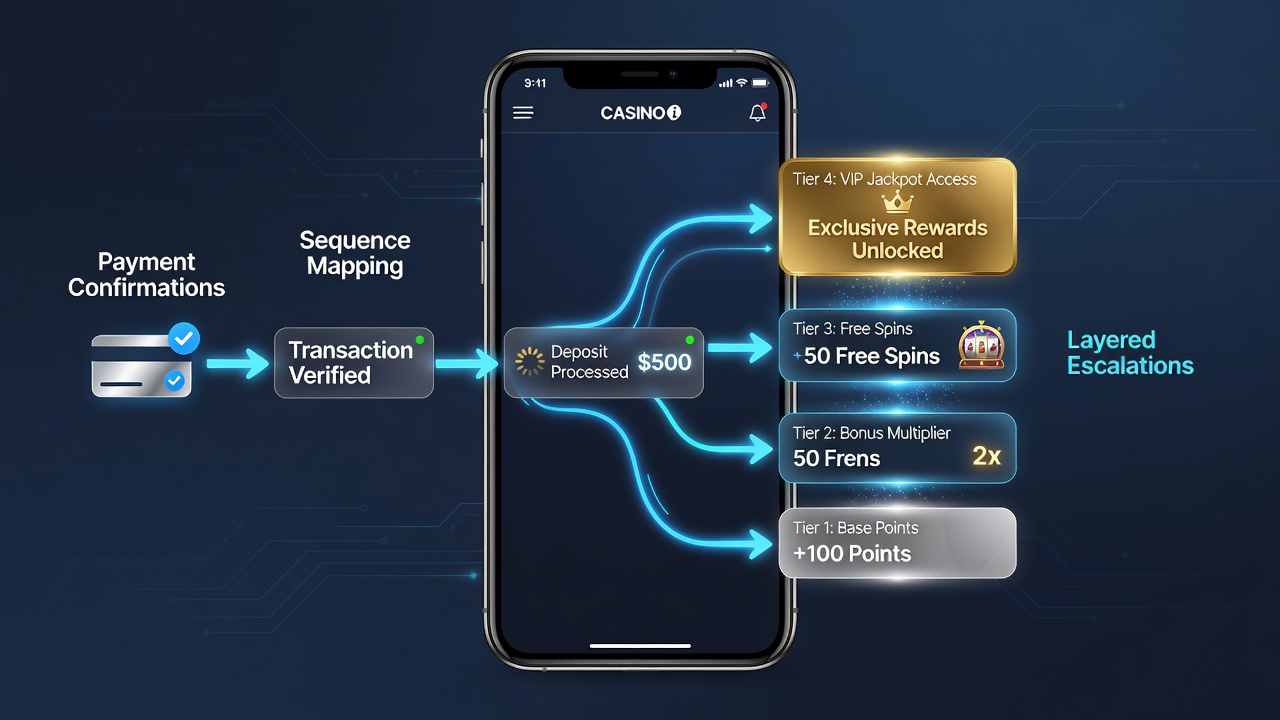
Layered structures commonly include multiple stages where each escalation builds upon prior confirmations, creating chained outcomes that extend across days or weeks of play. According to analysis from the American Gaming Association, mobile platforms have expanded these tier systems in recent years to incorporate dynamic adjustments based on real-time deposit patterns, and this approach allows for personalized reward scaling that aligns with individual transaction histories. The synchronization between payment records and reward databases ensures that escalations occur automatically once conditions align, reducing the need for separate user actions.
Interface Design Elements Supporting Sequence Continuity
Smartphone casino applications incorporate visual and notification components that reinforce the connection between payments and rewards, including progress bars that update immediately after confirmation and push alerts that highlight newly unlocked tiers. These design choices maintain user awareness of the escalation process while the underlying code manages the data handoff between financial modules and loyalty systems. Observers point out that consistent interface feedback helps sustain the mapped sequences by encouraging further deposits that feed into higher privilege brackets.
Technical documentation from platform providers reveals that error-handling routines play a critical role in preserving sequence integrity, because failed or delayed confirmations trigger fallback protocols that prevent premature reward allocation. When successful processing resumes, the system resumes the mapping from the point of verified payment, and this resilience supports reliable escalations across varied network conditions common to mobile environments. Geographic data from regulatory sources in regions such as Australia and Canada shows similar implementation patterns among licensed operators, with emphasis on transparent tracking of these flows.
Conclusion
Sequence mapping from payment confirmations to layered reward escalations represents a core operational feature in contemporary smartphone casino applications, and the process relies on integrated technical pathways that link financial verification directly to progressive benefit systems. Continued refinements in these mappings reflect broader industry efforts to align transaction efficiency with structured player progression, as evidenced by performance data and platform updates through late 2026. Those monitoring mobile gaming ecosystems continue to track how these digital sequences evolve in response to technological and regulatory developments across multiple jurisdictions.